
Why Fish Kills Occur
Fish kills are rarely random events. In most ponds, lakes and dams, they occur when dissolved oxygen levels fall below what fish can tolerate.
This oxygen depletion is usually driven by:
- Excess algal growth
- High organic matter loads
- Warm temperatures
- Still or stratified water conditions
Algae play a key role in this process — but they are not the direct cause of fish deaths.
The Link Between Algae and Oxygen Depletion
Algae influence oxygen levels in two critical ways:
- At night, algae consume oxygen through respiration. Suspended algae have the greatest influence, compared to biofilm based algae.
- When algae die, bacteria break them down, using large amounts of oxygen.
During periods of heavy algal growth, oxygen levels can drop rapidly — particularly overnight or during calm, warm conditions. When oxygen falls too low, fish and other aquatic organisms suffocate.
This is why fish kills often occur suddenly, even when water looked “fine” the day before.
Why Algae Blooms Increase Fish Kill Risk
Dense algae blooms:
- Increase daily oxygen swings
- Add large amounts of organic matter to the system
- Make oxygen levels unstable and unpredictable
- Increase the risk of sudden oxygen crashes
The larger and more persistent the bloom, the greater the risk — especially in nutrient-rich waterbodies.
Why Killing Algae Can Make Things Worse
Many common responses to algae problems involve:
- Chemical algaecides
- Copper treatments
- Rapid mechanical removal
While these may reduce visible algae, they can increase fish kill risk by:
- Causing large amounts of algae to die at once
- Triggering sudden oxygen depletion during decomposition
- Shocking the biological balance of the waterbody
This is why fish kills often follow aggressive algae treatment.
Preventing Fish Kills Requires Stability
The key to preventing fish kills is oxygen stability, not just algae removal.
Stable systems:
- Avoid extreme algal blooms
- Maintain balanced nutrient cycling
- Support biological processes that regulate oxygen naturally
This requires managing the underlying nutrient and biological drivers, not just reacting to symptoms.
The Role of Beneficial Biology
Healthy waterbodies rely on beneficial organisms to:
- Absorb excess nutrients
- Limit algal overgrowth
- Support stable oxygen dynamics
- Build resilient food webs
One of the most important groups in this process are beneficial diatoms — algae that efficiently take up nutrients and support stable ecosystem function.
When diatoms are supported, nuisance algae are less likely to dominate and oxygen conditions become more predictable.
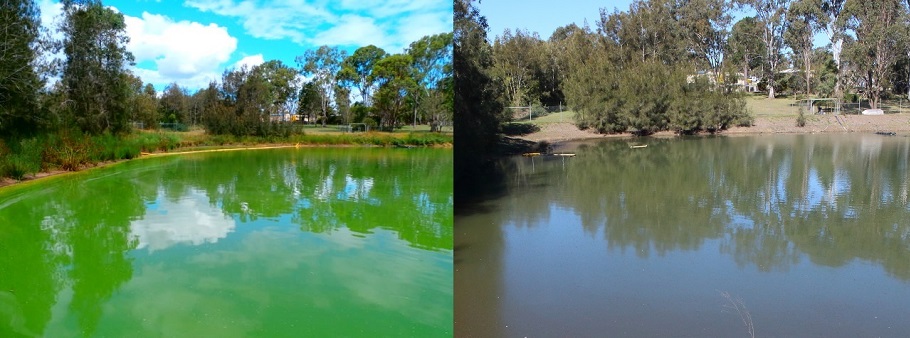
How Diatomix Helps Reduce Fish Kill Risk
Diatomix works by strengthening the natural biological controls that reduce fish kill risk.
It:
- Supports diatom growth through silica and micronutrient supply
- Reduces nutrient pressure that fuels excessive algal blooms
- Improves oxygen balance by limiting large biomass swings
- Encourages a more stable, resilient water system
Rather than triggering rapid die-offs, this approach promotes gradual biological regulation.
What to Expect Over Time
With appropriate management:
- Algal blooms become smaller and less frequent
- Oxygen levels stabilise
- Sudden oxygen crashes become less likely
- Fish and aquatic life experience less stress
Results depend on nutrient load, waterbody size and environmental conditions.
Take Action to Protect Your Water
If you’re concerned about fish kills or recurring algae blooms:
👉 Learn how Diatomix works
👉 Find the right Diatomix product
👉 Contact us for tailored advice